The Hospital Cleaning Problem
Healthcare facilities face a cleaning challenge unlike any other industry: floors must be cleaned multiple times daily to infection-control standards, across wards, OPDs, corridors and waiting areas that never really empty. Manual mopping quality varies by shift, by worker and by fatigue — yet the consequences of inconsistency are measured in infection risk.
Why Robots Fit Healthcare
1. Repeatable, Measured Cleaning
A robot cleans the same corridor the same way at 2 PM and 2 AM. Coverage maps and cycle logs give infection-control teams documented proof of every completed cleaning cycle — evidence that manual processes simply cannot produce.
2. HEPA-Grade Air Quality
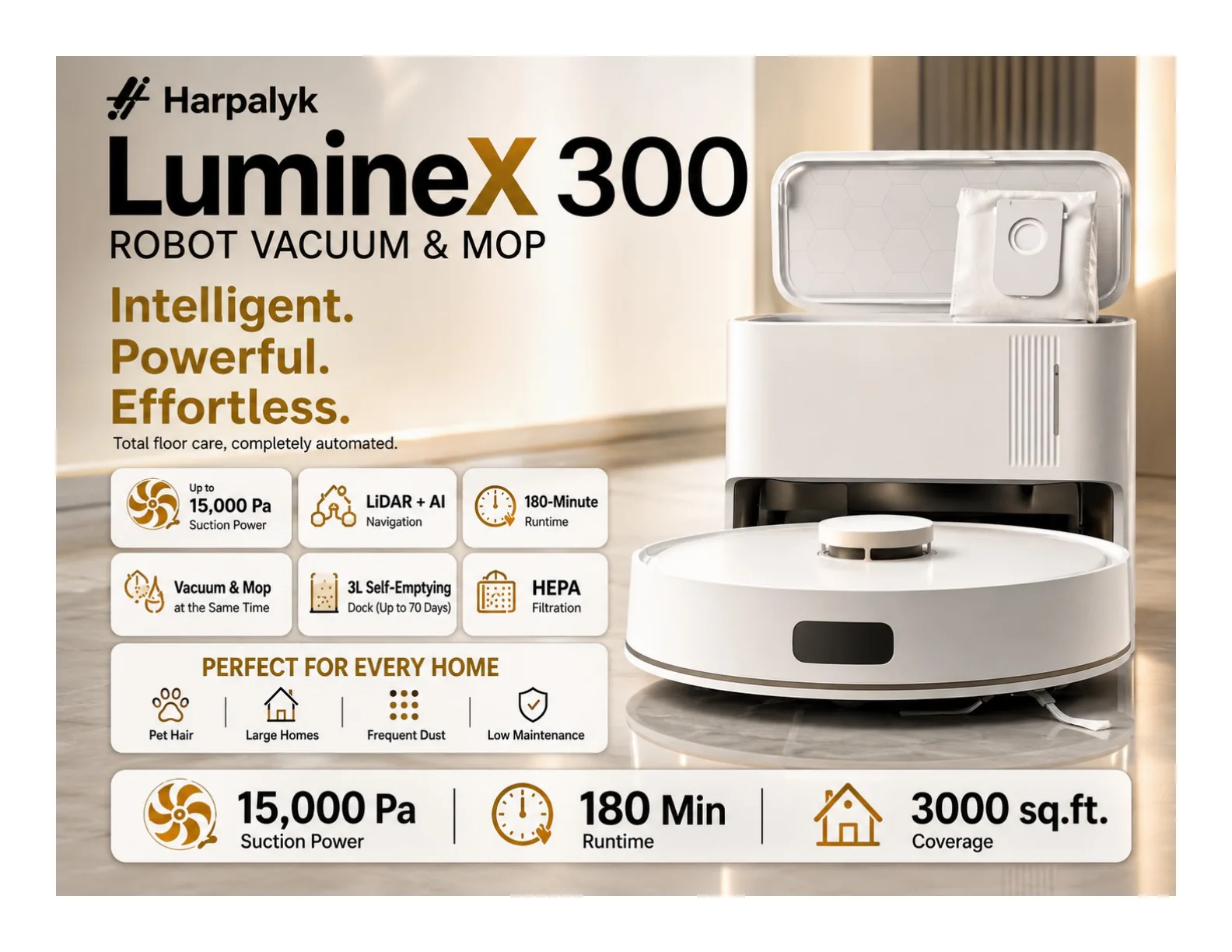
Robots like the HygienX 300 carry H12 HEPA three-layer filtration, capturing 99.97% of particles including dust mites, pollen and dander. In waiting areas full of vulnerable patients, cleaner air is part of the care.
3. Night Cleaning Without Overtime
Scheduled night cycles clean OPDs and admin blocks when they're empty — no disruption, no night-shift wages, no dependence on attendance.
Where Robots Work in a Hospital
- OPD halls and waiting areas — scheduled vacuum-mop cycles between peak hours
- Administrative blocks — full night automation
- Corridors and lobbies — commercial floor robots for large areas
- Glass partitions — window robots without ladders in patient areas
What About Disinfectants?
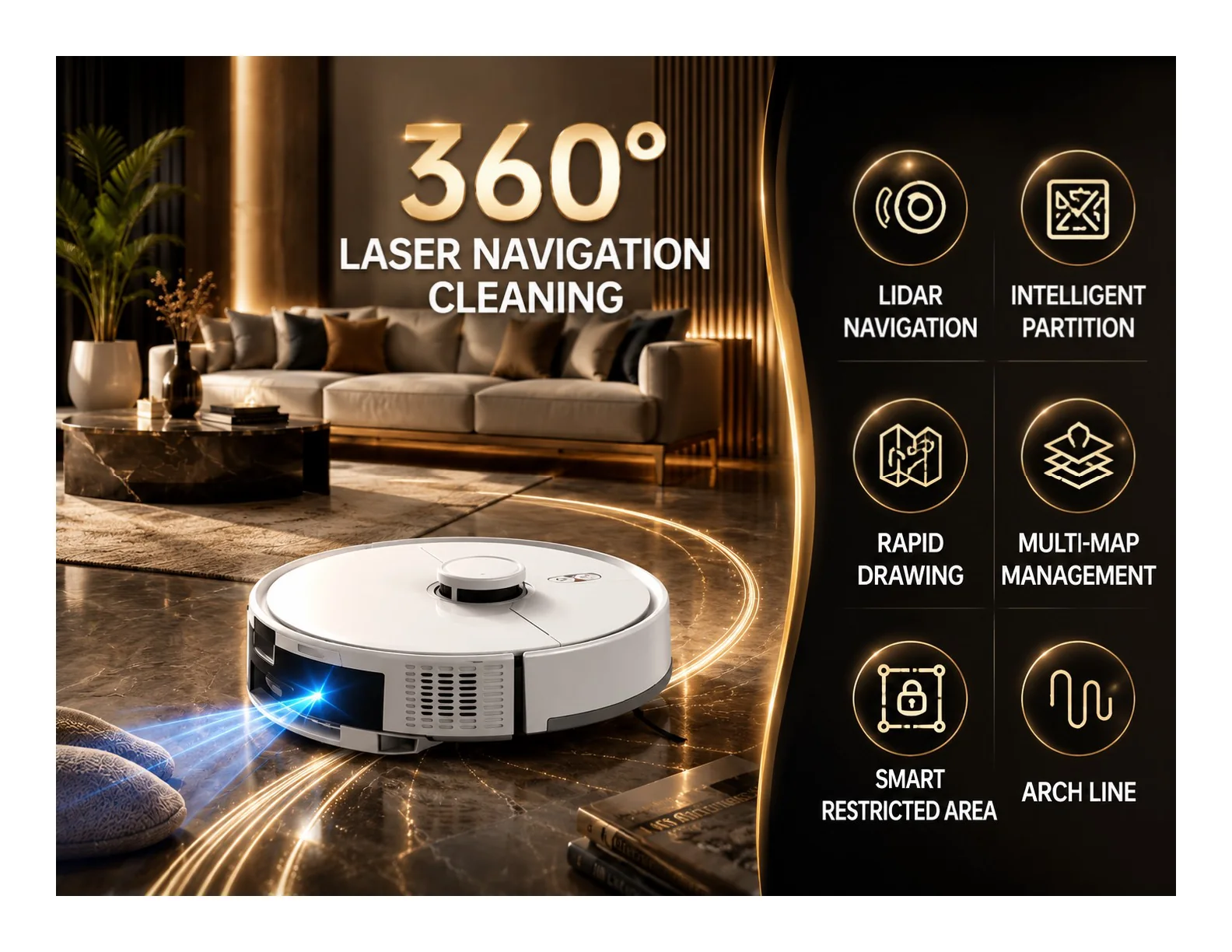
Harpalyk floor robots support approved cleaning solutions in their mopping systems, and no-go zones keep robots out of operating theatres, isolation rooms and other restricted areas — configured once during installation.
Read more on our hospital solutions page, or request a facility assessment — we'll map robot deployment to your floor plan and housekeeping SLAs.